
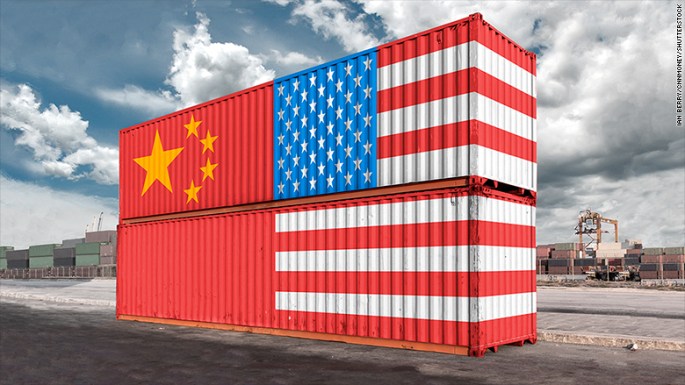
On Monday, U.S President Donald Trump approved imposing tough tariffs on washing machines, after the U.S. International Trade Commission found these washing machine imports were “a substantial cause of serious injury to domestic manufacturers.”
China is the world’s largest manufacturer of solar panels and exported $3 billion worth of washing machines last year.
China’s Ministry of Commerce condemned the tariffs on Tuesday, calling them a misuse of trade measures, and said it hopes Washington will show restraint in imposing trade restrictions.
This might give President Xi Jinping just another reason to strike back. One of the tactics the Chinese government could and has used is to subject well-known U.S. companies with large Chinese operations to antitrust probes.
It is not news to foreign firms with Chinese operations that the Chinese government targets antitrust enforcement on them.
Most antitrust enforcement is carried out under China’s Anti-Monopoly Law, which went to effect in 2008. In addition to stated goals of restraining monopolies and protecting fair market competition, the law seeks to “promote the healthy development of socialist market economy.” Three agencies are in charge of enforcement:
Ministry of Commerce (MOFCOM): MOFCOM is responsible for reviewing M&A transactions and other types of proposed business concentrations.
National Development and Reform Commission (NDRC): NDRC manages enforcement of price-related conduct.
State Administration for Industry and Commerce (SAIC): SAIC is in charge of investigating non-price-related monopolistic behavior, including monopoly agreements, abuse of market dominance, and monopoly control.
Below is a list of U.S companies that have been subject to antitrust scrutiny in China:
China presses Microsoft in antitrust probe
U.S. tech firms under increasing scrutiny in China
Qualcomm to pay $975 million to resolve China antitrust dispute
 China Antitrust